Artificial turf infill types explained
Infill is the part most homeowners ignore, and the part that determines blade stand-up, drainage, and odor control.
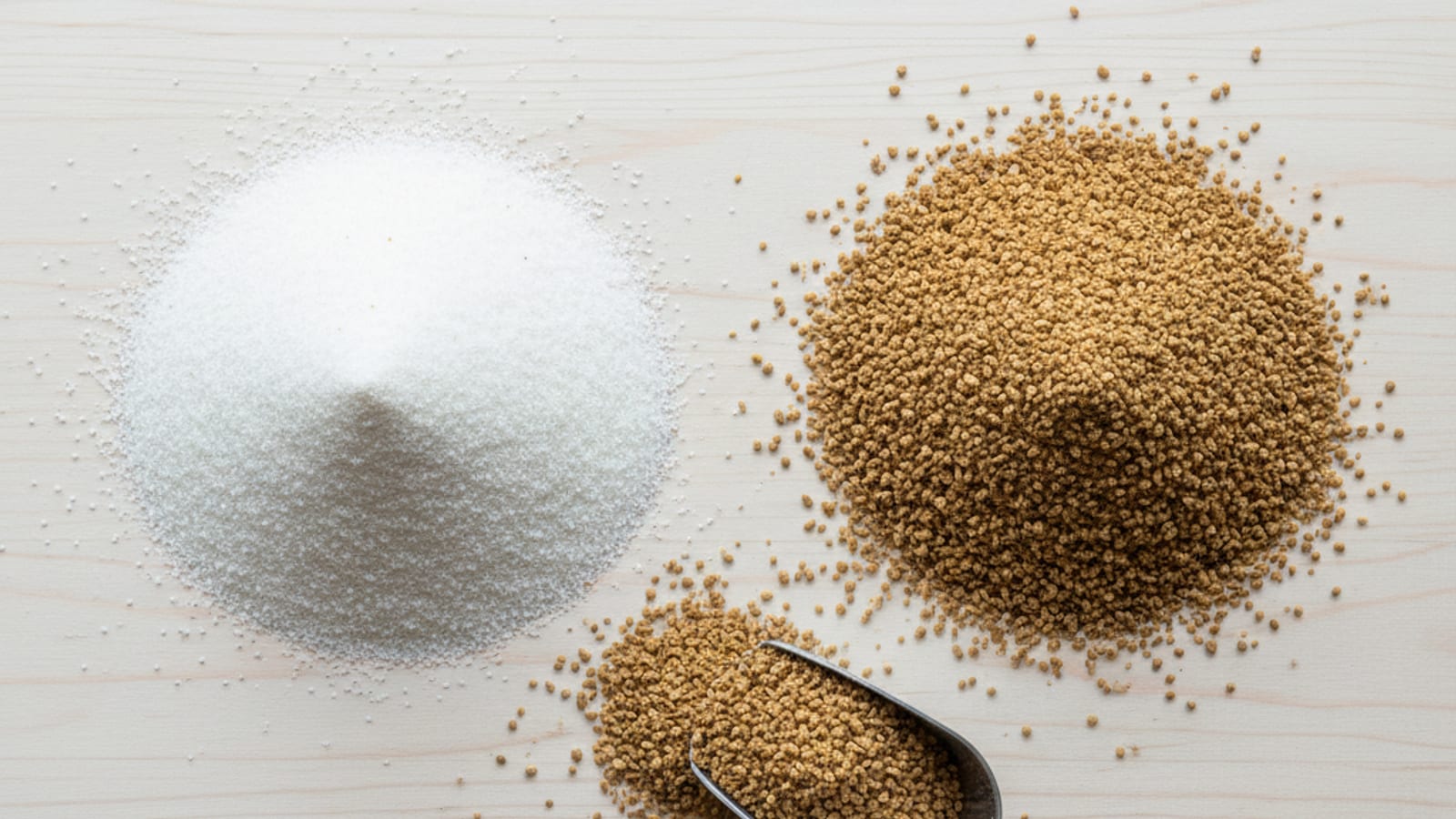
What you'll learn
- Silica sand vs zeolite vs rubber: when each makes sense
- Why pet turf needs antimicrobial infill
- How infill weight changes the feel underfoot
- When to add infill to an existing yard
Step by step
- Identify your turf use: family yard, pet yard, putting green, sport surface.
- Match infill: silica for general use, zeolite for pets, sand+rubber for sport.
- Brush infill in against the grain so it works down to the backing.
- Top up infill every 2–3 years as it settles or migrates.
Safety note
A turf install with no infill (or too little) wears out twice as fast, blades flatten, no shock absorption, drainage suffers. Infill is non-negotiable.
Rather have a pro handle it?
Professional artificial turf installation across San Diego County. A real installer picks up.
More guides
Keep learning.
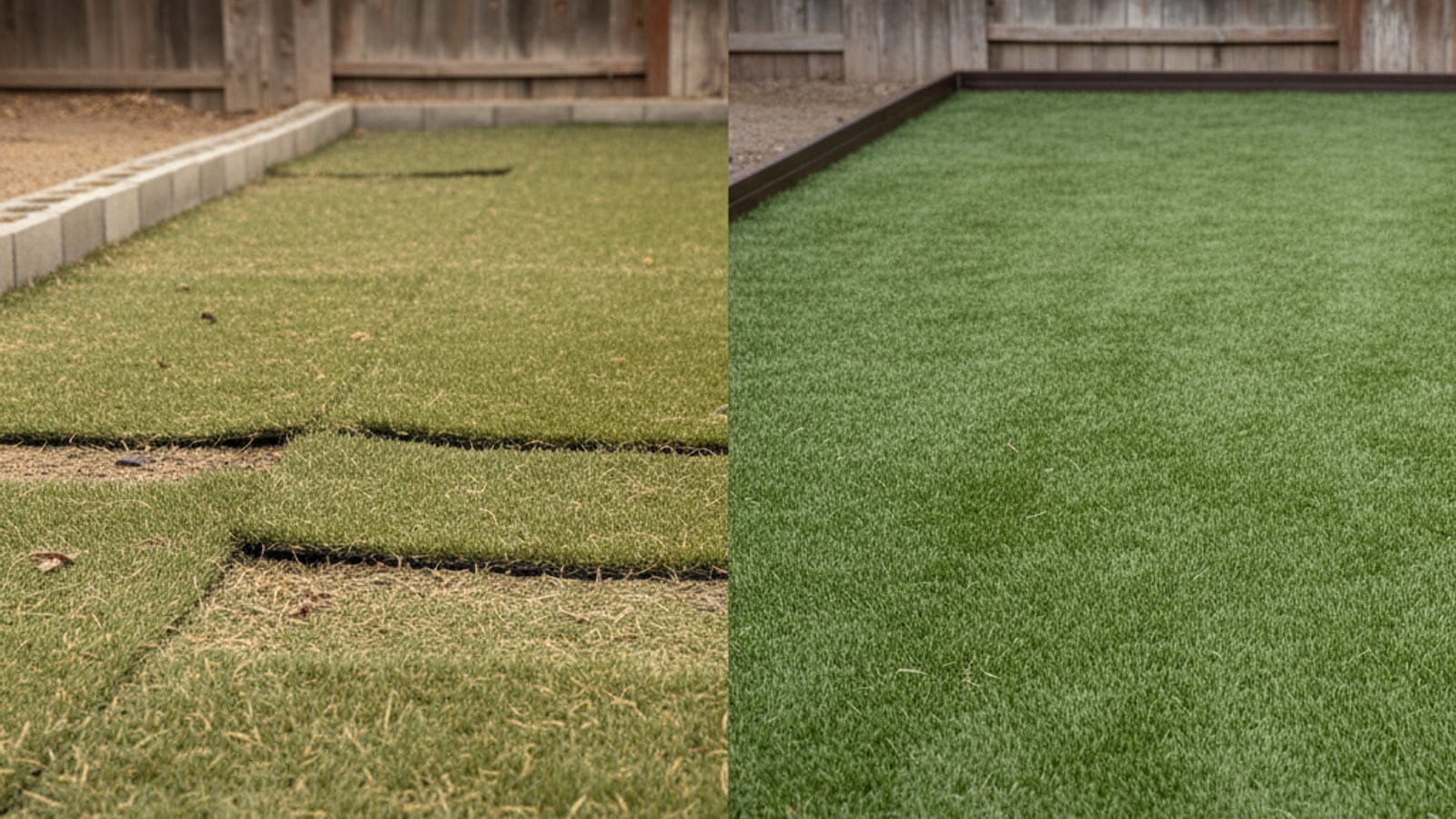
Basics · 6 min watch
DIY artificial turf install vs hiring a pro
DIY turf can save you 30 to 40 percent, but the failure modes are predictable and expensive.
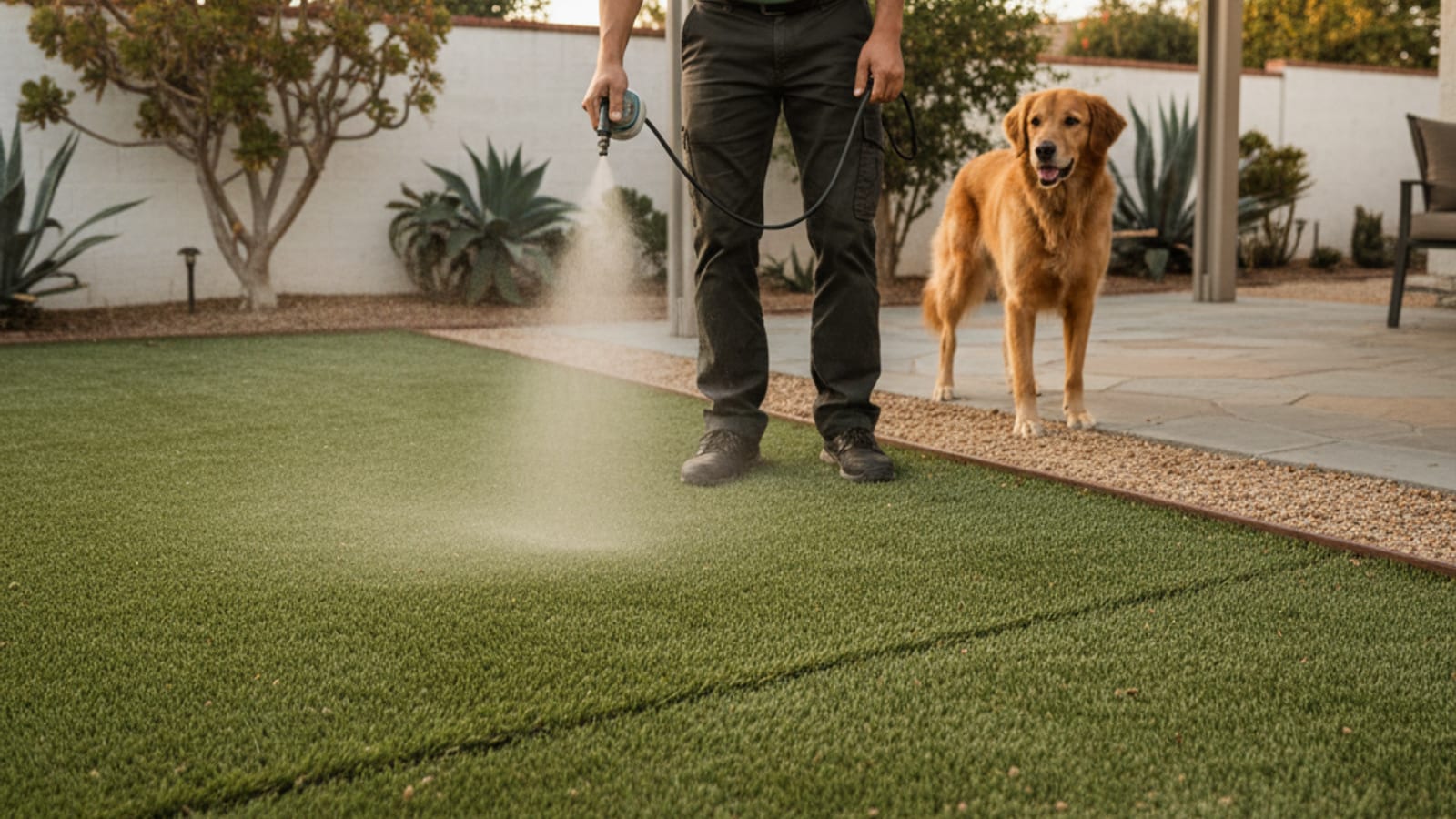
Maintenance · 4 min watch
Clean pet turf and remove dog odor
In summer heat, pet turf concentrates urine fast. A weekly rinse plus quarterly enzyme treatment keeps it fresh.
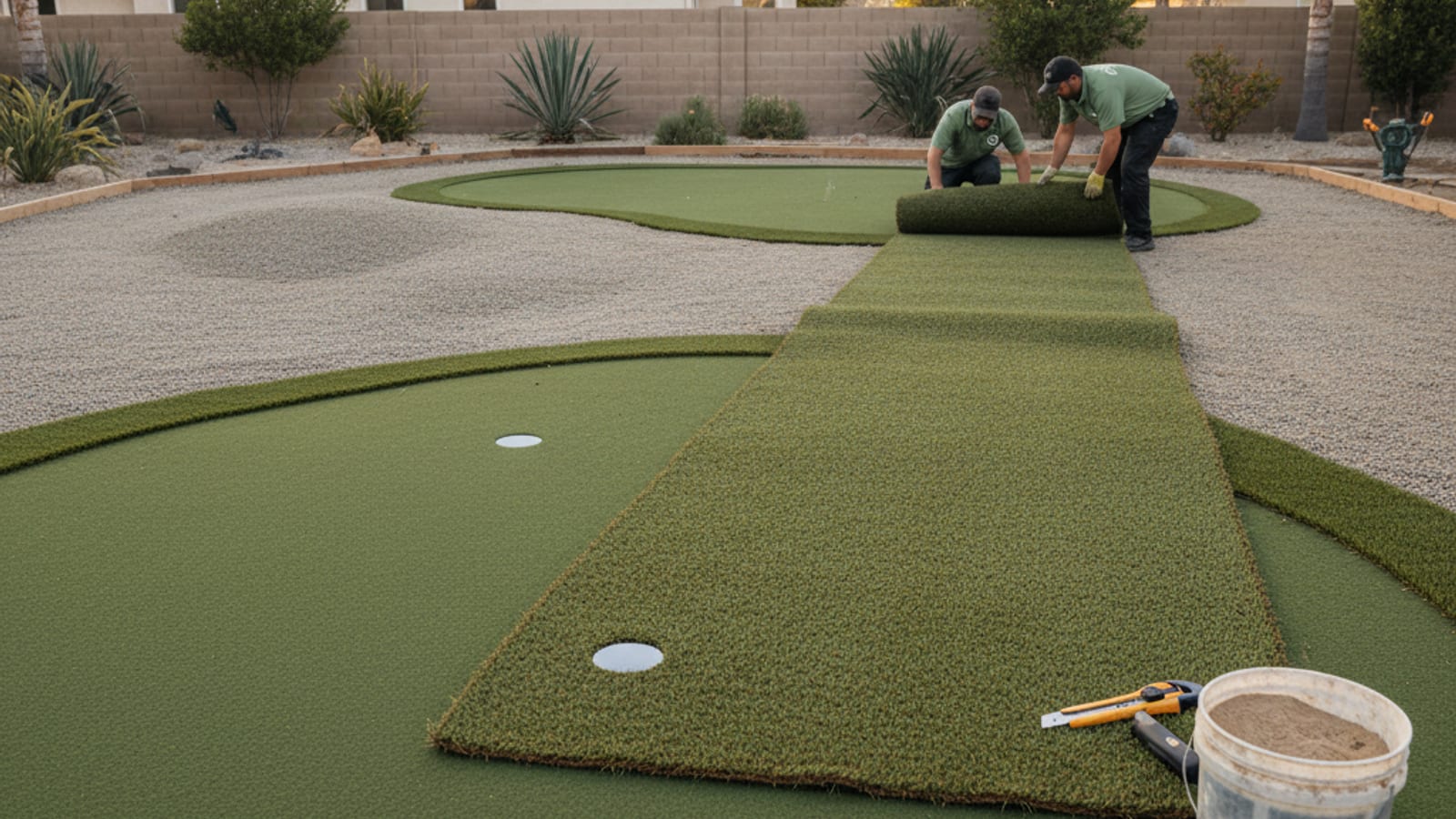
Basics · 7 min watch
How a backyard putting green is built
A real putting surface needs proper base grade, true-roll turf, and PGA-spec cups set into the base.